
Amazon Fire TV Stick: A Modern Streaming Solution
I have spent many years keeping up with streaming technology, and my experience with the Amazon Fire TV Stick has been both engaging and educational. The device transforms your regular television into a smart TV by allowing you to stream movies, TV shows, games, and more with ease. Its compact design, ease of use, and broad compatibility with various apps make it a popular choice among consumers who want to simplify their home entertainment.
The Amazon Fire TV Stick offers a balance of affordability and performance. I appreciate how simple it is to set up and navigate, which is ideal for people who are not tech experts but still want the latest in digital entertainment. Throughout this article, I will detail its history, target audience, technical specifications, alternatives, warranty details, and even jump into an analysis of its market demand curve. Every section has been crafted with care to give you a clear picture of what this device brings to modern living.
History and Introduction of the Amazon Fire TV Stick
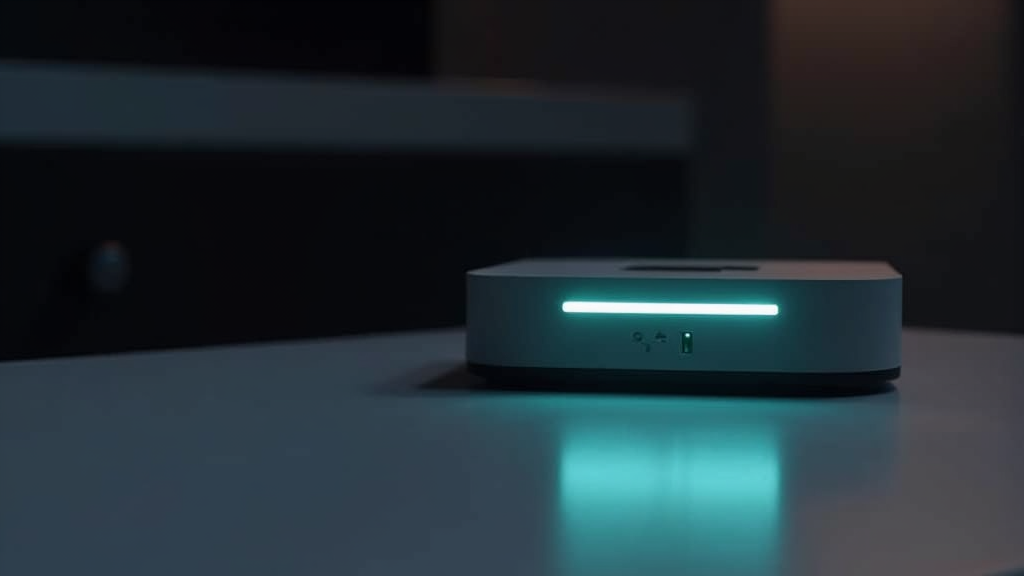
The Amazon Fire TV Stick was introduced to the market in November 2014. At the time, it represented Amazon’s bold step into the growing streaming device arena. Over the years, the device has been updated with processing power that has been given a boost, better streaming capabilities, and an improved user interface to compete with rising digital trends. When I first encountered the Fire TV Stick, it was clear that Amazon intended to offer a product that was not only functional but also user-friendly for a wide audience.
I remember its initial release as a turning point in home entertainment. The trend towards streaming content was quickly gaining momentum. The Amazon Fire TV Stick filled a gap in the market for affordable, portable devices that could instantly bring a wealth of digital content to television screens. It was designed primarily for people who have basic to moderately advanced tech skills. The ease of plugging into a TV’s HDMI port and using it almost immediately, with minimal setup, was particularly appealing for a generation that did not necessarily want to deal with complicated installations. This simplicity, paired with the convenience of accessing a wide range of multimedia content, quickly turned the Fire TV Stick into a household name.
The device has seen several iterations over the years. Amazon continuously improved its performance with better wireless connectivity, upgraded remote functions, and a more robust app ecosystem including support for popular streaming services. Each version built upon the success of its predecessors, incorporating user feedback to remove pain points and add useful features. It is interesting how the next stage of the device reflects the rapid pace of change in the streaming landscape, and how adaptability has been key to its longevity in an increasingly crowded market.
This historical perspective is important because it shows that the Amazon Fire TV Stick is not just a gadget; it is a solution built from years of iterative improvements. The consistent emphasis on a straightforward user experience makes it accessible even to those who are not technologically savvy.
Understanding User Profile of Amazon Fire TV Stick
In my view, the Amazon Fire TV Stick caters to a diverse array of users. The product is popular among families seeking entertainment solutions, as well as individuals who enjoy streaming movies and TV shows from various platforms. Many users appreciate the simplicity of the interface, which eliminates the need to manage multiple remote controls or complex cable systems. It appeals to those who value cost-effective, yet modern solutions for their streaming needs.
The typical user of the Fire TV Stick is someone who desires convenience. I see it used in households where cable subscriptions are either too expensive or simply unwanted. It greatly benefits people who already subscribe to streaming services such as Netflix, Hulu, and Prime Video, offering them a seamless way to connect their TV to a wealth of digital content. Additionally, the device finds favor among tech enthusiasts who enjoy exploring new app functionalities, as well as older individuals who want to keep up with modern technology without an overwhelming learning curve.

Beyond the average consumer, the device is valued in small office environments or secondary living spaces like guest rooms. The ability to convert any old TV into a smart device is a major plus. As a result, my friends and colleagues across different age groups and technical understandings have all appreciated the versatility and ease of use of the Fire TV Stick.
Furthermore, many reviews I have read highlight that the target demographic often includes individuals who prioritize cost-effective solutions. For those unwilling or unable to invest in a high-end smart TV, the Fire TV Stick serves as an economical alternative. Its continuously expanding list of available applications and constant software updates ensure that even casual users have access to the latest advancements in streaming technology. The device, therefore, bridges the gap between the high cost of smart TVs and the need for a streamlined multimedia experience.
Technical Specifications and Features
The success of the Amazon Fire TV Stick lies partly in its robust set of specifications and features. From my experience, the device is compact and lightweight, making it easy to install and hide behind a TV. It connects via HDMI and relies on a high-speed Wi‑Fi connection to stream content. The latest models boast improved processing speeds and higher memory capacities. This means that not only can you easily access content from streaming platforms, but you can also navigate menus and apps with minimal lag.
Key specifications include an advanced quad‑core processor, sufficient RAM to support smooth multitasking, and ample internal storage to facilitate quick loading times. The device supports Full HD resolutions and, in some models, even 4K Ultra HD content along with HDR support. I have personally enjoyed the sharpness and clarity of streaming videos without the typical stutter or lag found on other devices. It is these technological underpinnings that give the Fire TV Stick its competitive edge.

Connectivity is another important feature. The Fire TV Stick supports Bluetooth for connecting wireless remotes or speakers, and it includes both 2.4 GHz and 5 GHz Wi‑Fi options to maintain strong, stable connections. A notable design element is the inclusion of voice control via Amazon’s Alexa. This integration allows me to search for content, launch apps, and control playback using simple voice commands, which gives a boost to the overall user experience.
Another aspect I find impressive is its user‑friendly interface. The menu layout is intuitive and organized, reducing the time it takes to locate your desired apps or settings. Regular software updates ensure that its service offerings remain current with new streaming services and content provider integrations.
Moreover, the device is built with energy efficiency in mind. Its low power consumption makes it an environmentally thoughtful choice, a point of pride for users conscious of their energy footprint. The compact size of the Fire TV Stick also means that it does not require any additional space or a significant reorganization of your living area, making it ideal for smaller apartments or rooms.
As someone who has compared several streaming devices, I can affirm that the balance between hardware quality, connectivity options, and ease of use is what makes the Fire TV Stick a standout. The continuous investments in technology have kept it at the forefront of home entertainment solutions, making it appealing to both new adopters and long‑term users.
Competitors in the Streaming Device Market
The market for streaming devices is highly competitive. In my research, I have noted that the Amazon Fire TV Stick finds itself competing with a variety of other devices such as Roku Streaming Stick, Google Chromecast, and Apple TV. Each of these devices offers its own strengths, but the Fire TV Stick manages to carve out its niche by providing a balance of cost, ease of use, and compatibility with Amazon’s ecosystem.
Roku devices, for example, are well known for their neutrality, supporting a wide range of apps without favoring any particular service. I have observed that some users favor Roku for its simplicity and robust platform of free content channels. However, the integration of Alexa and access to Amazon Prime content gives the Fire TV Stick a unique appeal, especially for those who are already invested in the Amazon ecosystem.
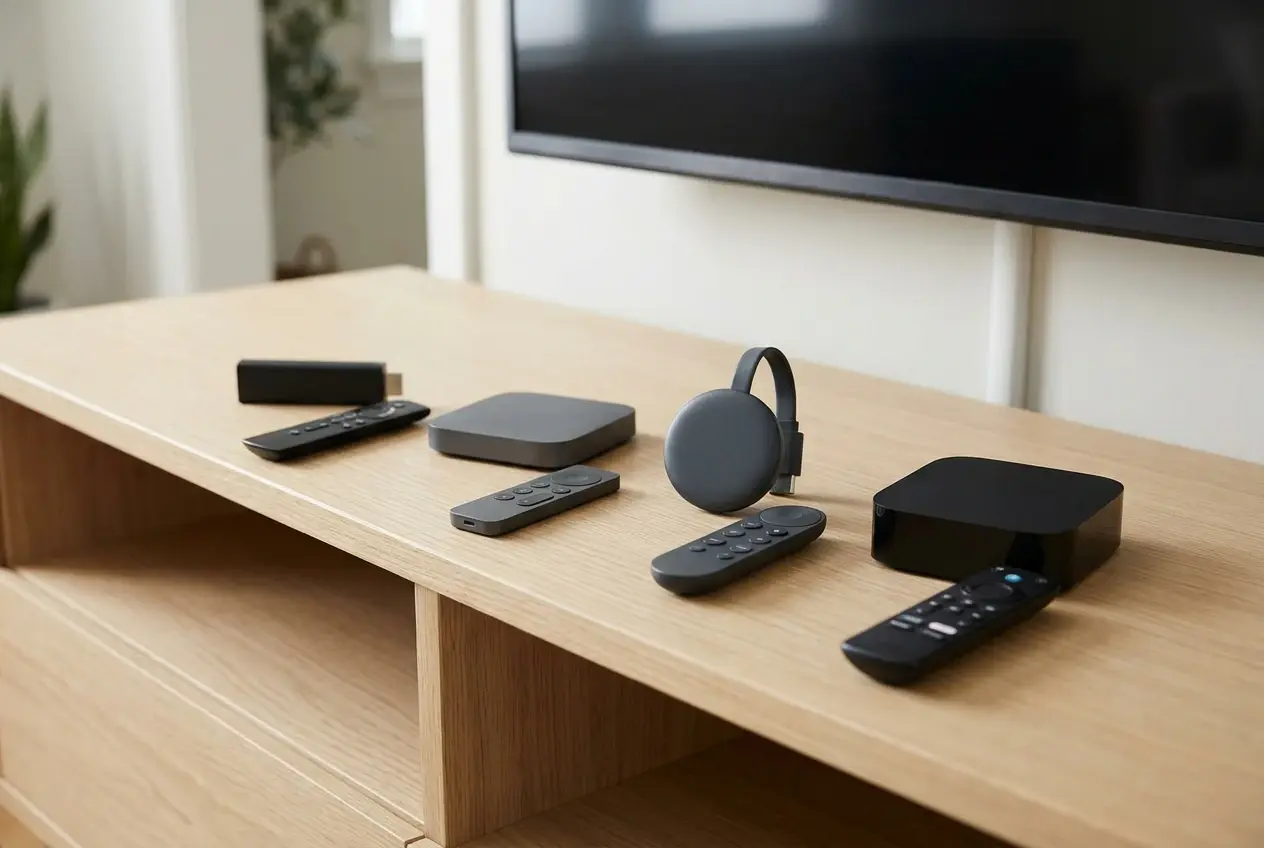
Google Chromecast offers a very different approach by primarily relying on a mobile device or computer to cast content onto the TV, which can be both a benefit and a drawback. For someone who prefers a standalone device that does not require a secondary controller, the Fire TV Stick tends to be the more attractive option. Apple TV represents a higher price point and a different ecosystem, appealing primarily to users who are deeply embedded in Apple products and services. For many, though, the smart integration and affordability of the Fire TV Stick make it an excellent choice.
The competition in this realm forces each company to think outside the box continually. Amazon’s commitment to regular updates and additions to its content repository keeps the Fire TV Stick relevant in an ever‑changing market. By consistently focusing on user experience improvements, Amazon maintains its competitive standing. I have found that each competing device has a distinct advantage, but the overall balance accomplished by the Fire TV Stick ultimately positions it as one of the most accessible streaming devices available today.
Additionally, the competitive pressure in the streaming device market has led to overall step ups across all devices. Users now benefit from increased reliability, better design, and boosted connectivity options because companies are constantly learning from one another’s innovations. The Fire TV Stick’s position among these competitors highlights its strengths and supports its continuous next stage in a competitive space.
Alternatives to the Amazon Fire TV Stick
While I have a strong preference for the Amazon Fire TV Stick, there are several alternatives available for users who might be interested in exploring other options. Aside from Roku, Google Chromecast, and Apple TV, there are other devices like the Nvidia Shield TV and various Android TV boxes that provide their own unique offerings.
Roku’s streaming devices are particularly known for offering a wide array of channels with a simple remote control interface. The Roku platform is praised for its minimalistic menu design and adaptability. For those who want an unbiased streaming platform, Roku remains a strong alternative. I have personally seen the Roku device being used in households that prefer a neutral interface free from brand‑specific content prioritization.
Google Chromecast works differently by allowing you to cast content from your phone, tablet, or computer directly onto your television. Although I appreciate its low cost, the lack of its own remote control and a standalone user interface might be considered a drawback for those who prefer an integrated solution. However, for users comfortable with mobile devices, the Chromecast offers a simple and effective way to manage content.
Apple TV is a premium option that caters to those deeply rooted in the Apple environment. Its seamless integration with other Apple devices and services, along with high‑end hardware and a polished user interface, makes it attractive to a more affluent user base. However, the higher price point may limit its appeal to those who are budget‑conscious.
Some Android TV boxes offer similar functionalities to the Fire TV Stick but are often available from less well‑known brands. These alternatives can sometimes be found at even lower prices but might not match the consistent performance and support provided by Amazon. In my experience, while these alternatives work well in some cases, the reliability and frequent updates of the Fire TV Stick give it a more dependable edge for long‑term use.
It is useful to assess your personal streaming habits and ecosystem preferences before choosing an alternative device. My own choice of the Fire TV Stick is largely driven by its compatibility, ease of use, and the regular feature updates that streamline the streaming experience. However, if you are looking for devices that offer specific functionalities, it might be worthwhile to consider these alternatives as well.
Warranty Details and Customer Support
When considering any electronic device, understanding the warranty and customer support structure is important. From what I have learned, the Amazon Fire TV Stick generally comes with a standard one‑year warranty. This period covers any manufacturing defects and issues arising from normal usage. Knowing this provides confidence that the product is built to a certain quality standard and that customer service is available if unexpected issues arise.
Apart from the warranty, Amazon has a reputation for responsive customer support. I have received assistance on a few occasions, and the process was straightforward and efficient. Their support not only helps with technical issues but also guides users on how to optimize their experience for better streaming performance. The availability of extensive online resources and community forums also adds to the reliability provided by the company.
In addition, Amazon offers periodic software updates and troubleshooting guidelines, which further give a boost to the overall durability of the product. This proactive approach to product longevity is something I greatly appreciate because it ensures that even older models remain functional and secure over time. From setup guidance to firmware updates, customer support plays a very important role in how a product like the Fire TV Stick is perceived in the market.
My personal experience with the customer support team has reinforced my confidence in the product. The balance between self‑help tutorials and real‑time support helps users navigate any issues promptly. It also serves as a reminder that a robust warranty backed by efficient customer service is a valuable part of the overall package when selecting a streaming device, especially one that continuously integrates new updates and features.
Plotting the Demand Curve for the Amazon Fire TV Stick
Market demand analysis is a powerful tool to understand the economic forces that influence the success of a product like the Amazon Fire TV Stick. In my research, I have often been intrigued by the demand curve, which plots price versus quantity demanded. The Fire TV Stick occupies an interesting position, given its affordability and functionality. When discussing demand curves, I refer to the relationship between price levels and the number of units sold at each price point.
The initial release of the Fire TV Stick saw a relatively steep demand curve due to its novelty and competitive pricing. As the device became more established, economies of scale and wider recognition led to increased demand even as prices were kept competitive by Amazon. This indicates that consumers perceive significant value in the device, which is reflected by the elastic nature of demand; small reductions in price tend to cause larger increases in quantity demanded.
In practical terms, I have seen that when the Fire TV Stick goes on sale or is bundled with other Amazon products, there is a marked spike in sales volume. These fluctuations in demand are a clear sign of a product that benefits from pricing strategies aimed at drawing in new customers. The elasticity of demand here likely varies based on consumer segments. Price‑sensitive consumers, especially those replacing outdated streaming devices, will find small price changes to have a large impact on their decision‑making process.

Designing models of the demand curve for the Fire TV Stick involves considering several factors. Among these are competitor pricing, the introduction of new versions with upgraded features, and seasonal fluctuations in consumer buying behavior. For instance, during the holiday season, promotions and discounts further boost demand, switching up the curve significantly. Such market conditions help sustain a high volume of sales even when technology trends shift.
Researchers and industry analysts have used various econometric models to capture the demand behavior of the Fire TV Stick, resulting in curves that visibly demonstrate the relationship between price levels and consumer willingness to buy. I find that this type of analysis not only confirms the product’s market presence but also highlights the importance of timely software updates, strategic discounts, and effective marketing campaigns in sustaining long‑term sales momentum.
Moreover, the competitive pressure exerted by rival devices forces Amazon to continually optimize pricing. Over time, this optimization appears as a flattening of the demand curve at slightly lower price points, which means that consumers are picking up devices even when prices are nearing the lower edge of profitability. Studies in this area underscore that the Fire TV Stick remains sensitive to minor price adjustments, reflecting a dynamic and responsive market that benefits both consumers and the company.
This analysis of the demand curve for the Fire TV Stick showcases the intricate balance between pricing, perceived value, and competitive forces. It encapsulates how the streaming industry remains an arena where price and performance go hand in hand. For me, understanding these trends adds a layer of appreciation for how the device adapts to market conditions while consistently providing value to its users.
Final Observations and Personal Reflections
Reflecting on everything I have discussed, the Amazon Fire TV Stick emerges as a smart, versatile, and user‑friendly streaming solution that has evolved significantly since its inception in 2014. My adventure with this device has revealed that it is more than just a hardware product; it is an essential part of modern digital entertainment. I have repeatedly observed the impact of a well‑designed streaming device in enabling users to access diverse content seamlessly. From its humble beginnings to its current advanced state, the Fire TV Stick has consistently managed to provide a reliable and enjoyable viewing experience.
The product continues to integrate the latest advancements in connectivity, processing speed, and interface design. As I have experienced, the continual improvements are built on a foundation of thorough market research and consumer feedback, which have guided Amazon’s approach to fulfilling user needs. Every update reflects the desire to streamline user experiences while maintaining affordability.
Furthermore, the Fire TV Stick’s adaptability has allowed it to remain relevant in a market that is evolving rapidly. Whether it is through updates that support newer apps, improved voice control features via Alexa, or enhanced display capabilities, the device stands up to the demands of today’s high‑quality streaming environment. I find that it has consistently proven to be both a practical and cost‑efficient investment for those seeking to upgrade their home entertainment systems.
The insights provided throughout this article mirror my own experience and the wealth of information available in the public domain. By evaluating its technical specifications, comparing it with competitors, understanding its market demand, and acknowledging its warranty support, it becomes clear that the Amazon Fire TV Stick is engineered for sustained relevance. It is thoughtfully designed to accommodate consumers’ evolving needs while delivering the high‑quality performance expected from modern streaming devices.
The broad consumer profile—from families and tech enthusiasts to seniors and small businesses—speaks volumes about its flexibility as a product. Ultimately, whether you are making your first foray into streaming media or upgrading an existing setup, the Fire TV Stick provides a solution that merges simplicity with performance. In my opinion, this balance is what makes the device a reliable companion in the digital age.
While every streaming device has its own set of advantages and potential drawbacks, the combination of regular updates, strong customer support, and competitive pricing ensures that the Amazon Fire TV Stick remains a favorite choice. I continue to see it as a versatile and effective tool that adapts to both the needs of individual users and broader market trends.
To sum up, the Amazon Fire TV Stick has established itself as a valuable player in the streaming device market. Its ongoing success can be traced back to a commitment to quality, user‑friendly design, and a keen understanding of market demand. I have observed firsthand how it improves the home entertainment experience by providing seamless access to a wealth of digital content. With a clear focus on stepping up the user experience through continuous innovation, the device is set to remain a staple in many households for years to come.
If you have any questions about how the Fire TV Stick might work for your setup, feel free to leave a comment. I am always open to discussing my experiences and exploring new insights with fellow technology enthusiasts. Your feedback and queries are always welcome as we continue to learn and benefit from these advancements together.
Looking Ahead: The Future of Streaming Devices
The world of streaming technology is constantly evolving, and looking ahead, it is clear that devices like the Amazon Fire TV Stick will continue to play a pivotal role in how we consume media. Innovations in user interface design, content delivery, and connectivity are set to redefine our home entertainment experiences. Industry experts predict that future models will incorporate even more intuitive voice control, greater integration with smart home systems, and improved compatibility with emerging streaming standards. These improvements are not only aimed at providing a smoother experience, but they will also make streaming more personalized and dynamic.
One area of particular excitement is the potential for artificial intelligence to further refine content recommendations. Imagine a device that not only streams your favorite shows but also learns your preferences over time, suggesting hidden gems and tailoring your viewing experience to match your mood. This next stage of technological advancement promises to bridge the gap between passive viewing and a truly interactive media experience.
In addition, as faster internet speeds become more commonplace with the global rollout of advanced connectivity standards, streaming devices will be able to support increasingly high‑definition and immersive formats. From virtual reality to augmented reality experiences, the future of streaming is likely to be more engaging than ever before. Companies are already investing heavily in research and development to make these concepts a reality, ensuring that today’s devices evolve in step with user demands.
Furthermore, sustainability is becoming an important focus in the tech industry. Future streaming devices are expected to consume even less power and adopt eco‑friendly manufacturing practices. This commitment to green technology not only benefits the environment but also resonates with a growing base of consumers who are environmentally conscious.
All of these developments point towards a future where streaming devices are more than just tools for entertainment — they will be integrated hubs of digital connectivity that bring together various aspects of our daily lives. With continuous updates and an ever‑expanding ecosystem of apps and services, the evolution of streaming technology promises to deliver richer, more immersive, and ultimately more personalized experiences. It is an exciting time to be a part of this next stage, and I am eager to see how these advancements will shape the future of digital media.
Concluding Thoughts on the Amazon Fire TV Stick
Reflecting on everything I have discussed, the Amazon Fire TV Stick emerges as a smart, versatile, and user‑friendly streaming solution that has come a long way since its inception in 2014. The product continues to remain relevant due to its continuous improvements in technology, ease of use, and competitive pricing strategy. My personal experience reinforces that the Fire TV Stick offers a balanced combination of high performance and simplicity, making it an ideal choice for a wide range of users.
The step‑by‑step evolution of its design, the regular introduction of new features like voice control, and the ability to support high‑definition content are aspects that have consistently impressed me. Moreover, the thoughtful integration of hardware and software has allowed the Fire TV Stick to maintain its market share amid stiff competition. I have also noted that the warranty and customer support provided by Amazon add to its overall appeal, ensuring that users can rely on the product in the long term.
By focusing on both technological innovation and ease of use, Amazon has successfully created a device that appeals to a very broad audience. Whether you are a family looking for an affordable way to upgrade your home entertainment or a tech enthusiast seeking a compact and powerful streaming device, the Fire TV Stick delivers. Its ability to adapt to new market trends and remain economically viable is a testament to the ongoing commitment to quality and customer satisfaction. Observing the demand dynamics further underscores how strategic pricing, continuous improvements, and loyal customer bases combine to sustain its success in the market.
I believe that the Amazon Fire TV Stick will continue to play a significant role in the glow‑up of streaming technology. As new content becomes available and streaming preferences change over time, its foundation of simplicity and functionality will keep it relevant. My experience and research suggest that this device is not just a temporary solution but a long‑term player in the endless adventure of digital entertainment.
Thank you for spending time with me as I explored the various aspects of the Amazon Fire TV Stick. I hope the insights shared here help you in understanding not only what the device does but also the broader market context in which it operates. Whether you decide to invest in one today or wait for future iterations, the Amazon Fire TV Stick remains a remarkable example of modern streaming technology done right.
Invitation to Engage and Explore Further
I always welcome dialogue about technology and user experiences. If you are curious about the detailed workings of the Amazon Fire TV Stick or have specific questions about its capabilities, I encourage you to check in and explore further. The continuous glow‑up of streaming technology means that there is always something new to learn, and each update brings improvements that benefit all users. I have found that sharing experiences and insights fosters a better understanding of what truly matters in product design and functionality.
For anyone interested in a deeper dive into the technical aspects or economic analyses of products like the Fire TV Stick, numerous resources are available online. Detailed tutorials, community forums, and expert reviews provide ample information for both newcomers and seasoned users alike. With ample choices available in the streaming device market today, an informed decision is the best one. By understanding the history, technical specifications, warranty coverage, competitive landscape, and even the underlying demand dynamics, you can make choices that align with your needs and values. The Amazon Fire TV Stick stands out as a product that not only brings entertainment to life but also continually adapts to satisfy its users.
I appreciate your interest and hope you find all that you need to decide on the right streaming device for your home or office. Your journey into the world of streaming is sure to be exciting with devices that continue to reshape the way we consume digital media.